Exeter City Council – SHDF Wave 2.1
Social Housing Decarbonisation Fund (Wave 2.1)
Client: Exeter City Council
Delivery Partner: Low Carbon Exchange Ltd (LCX)
Retrofit Design & Coordination: 2035 Assessments Ltd
No. of Homes: 136
Average Measures per Home: 5–6
Measures: Cavity Wall Insulation, Loft Insulation, Heating Controls, Solar PV, Ventilation, Replacement Doors
Standard: PAS 2030/2035:2019
As part of the Social Housing Decarbonisation Fund (Wave 2.1), Exeter City Council appointed Low Carbon Exchange (LCX) and 2035 Assessments Ltd to deliver a large-scale deep retrofit programme across 136 social housing properties.
The project focused on improving energy efficiency, occupant comfort and long-term affordability through a package of coordinated measures. Each home received multiple upgrades designed to reduce heat loss, lower energy demand and raise overall performance toward RdSAP Band C.
2035 Assessments Ltd provided retrofit design and coordination throughout delivery, ensuring full compliance with PAS 2030/2035:2019 and alignment with SHDF funding requirements.
Our responsibilities included:
Reviewing assessment data to verify accuracy and technical feasibility
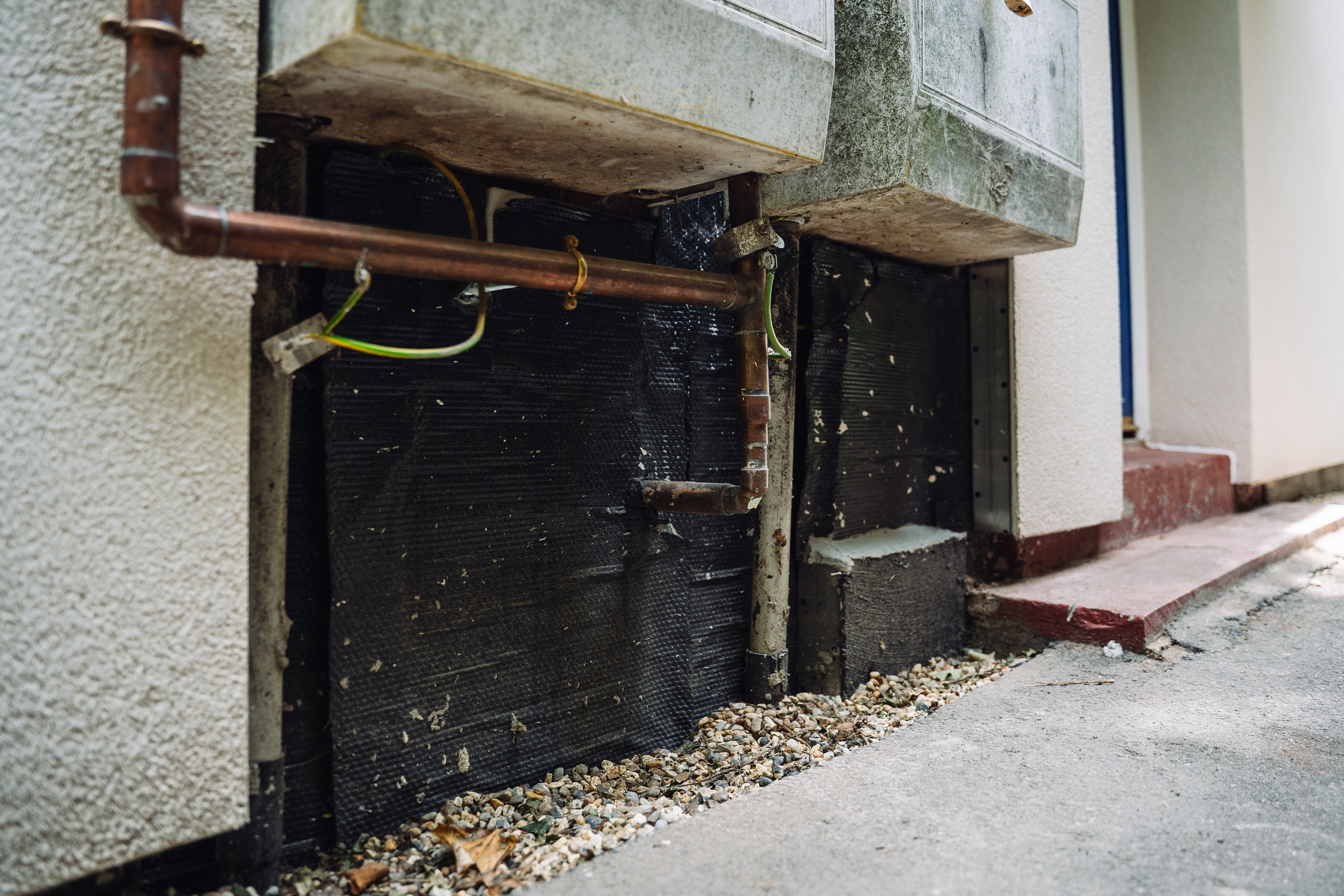
Producing detailed retrofit design packs covering junction detailing, insulation strategy and ventilation requirements
Conducting multiple site visits to monitor installation quality and adherence to design intent
Coordinating snagging, condition defects and as-built documentation with LCX and Exeter City Council
Providing ongoing technical assurance and compliance support throughout the programme
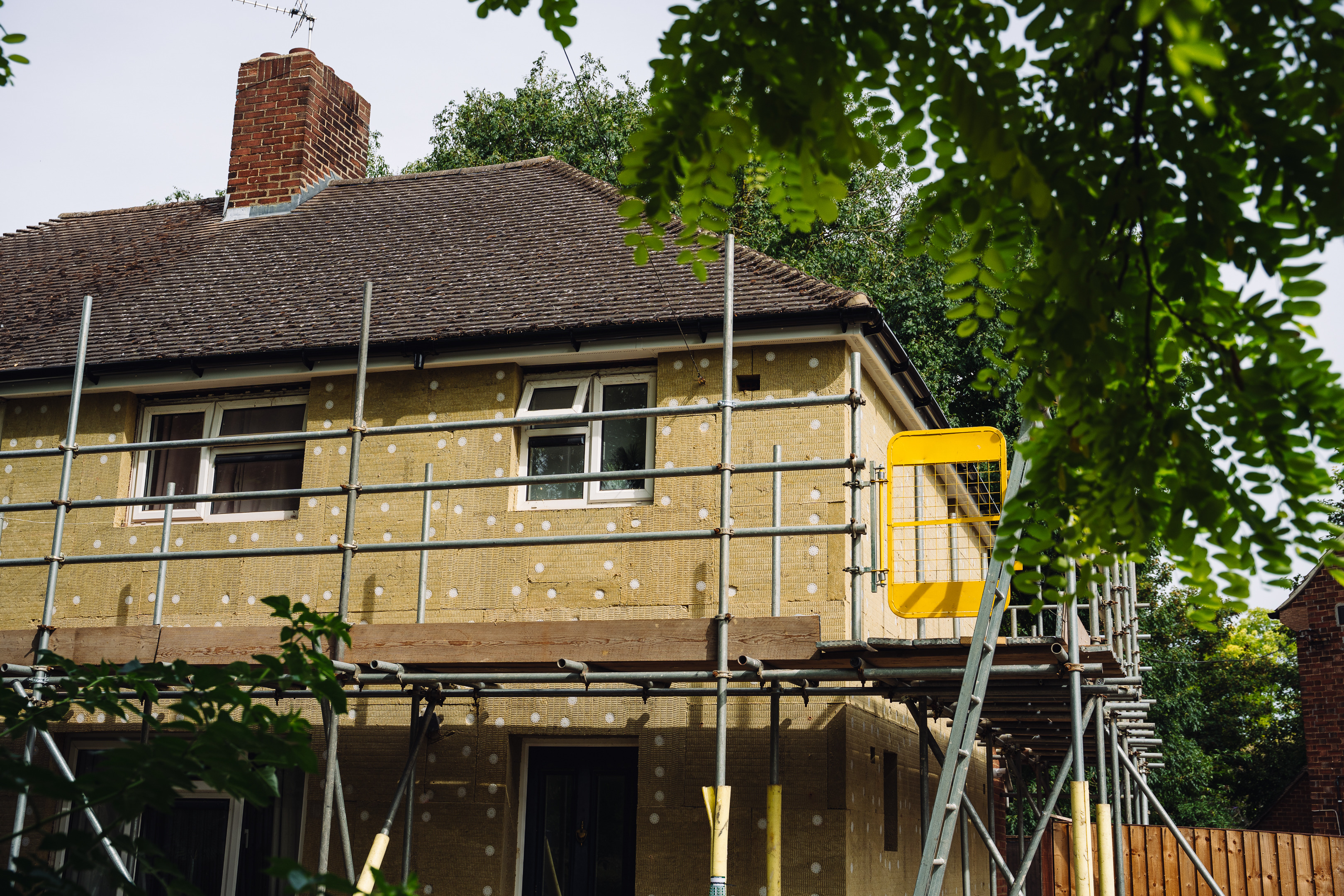
A whole-house, fabric-first approach was applied, combining several complementary measures per home:
Cavity wall and loft insulation to reduce heat loss
Solar PV installations to generate renewable electricity and offset rising energy costs
Heating controls for more efficient system operation
Ventilation improvements to maintain air quality and prevent moisture issues
Replacement doors to enhance airtightness and security
Every design was tailored to the property’s construction type and condition, ensuring that all measures worked together to achieve safe, durable and high-performing outcomes.
The Wave 2.1 programme successfully delivered a broad range of energy-saving measures across Exeter’s social housing stock, resulting in:
Significant reductions in energy consumption and carbon emissions
Lower fuel bills and improved thermal comfort for residents — a vital benefit as energy costs continue to rise
Enhanced indoor air quality and building resilience
Consistent progress toward Exeter City Council’s net-zero objectives
The programme’s success demonstrates the value of deep retrofit delivered under robust PAS 2035 governance and strong collaboration between designers, installers and local authorities.
All retrofit design and coordination activities were undertaken by RICS, CIOB and CIAT-backed professionals, ensuring independent oversight, technical accuracy and compliance throughout the project.
The Exeter SHDF Wave 2.1 programme stands as a model for how targeted, multi-measure retrofit can transform social housing — reducing emissions, improving comfort and providing lasting value for residents and communities alike.















.png)